
Better Practices. Better Prices. Better Lives.
eko·kotton works directly with smallholder cotton farmers and cooperatives across East Africa, building the skills, systems, and market connections that turn good organic cotton into a reliable livelihood.
The Farmer at the Centre
East African farmers produce some of the world's finest cotton. Our job is to make sure the world knows it and pays fairly for it.
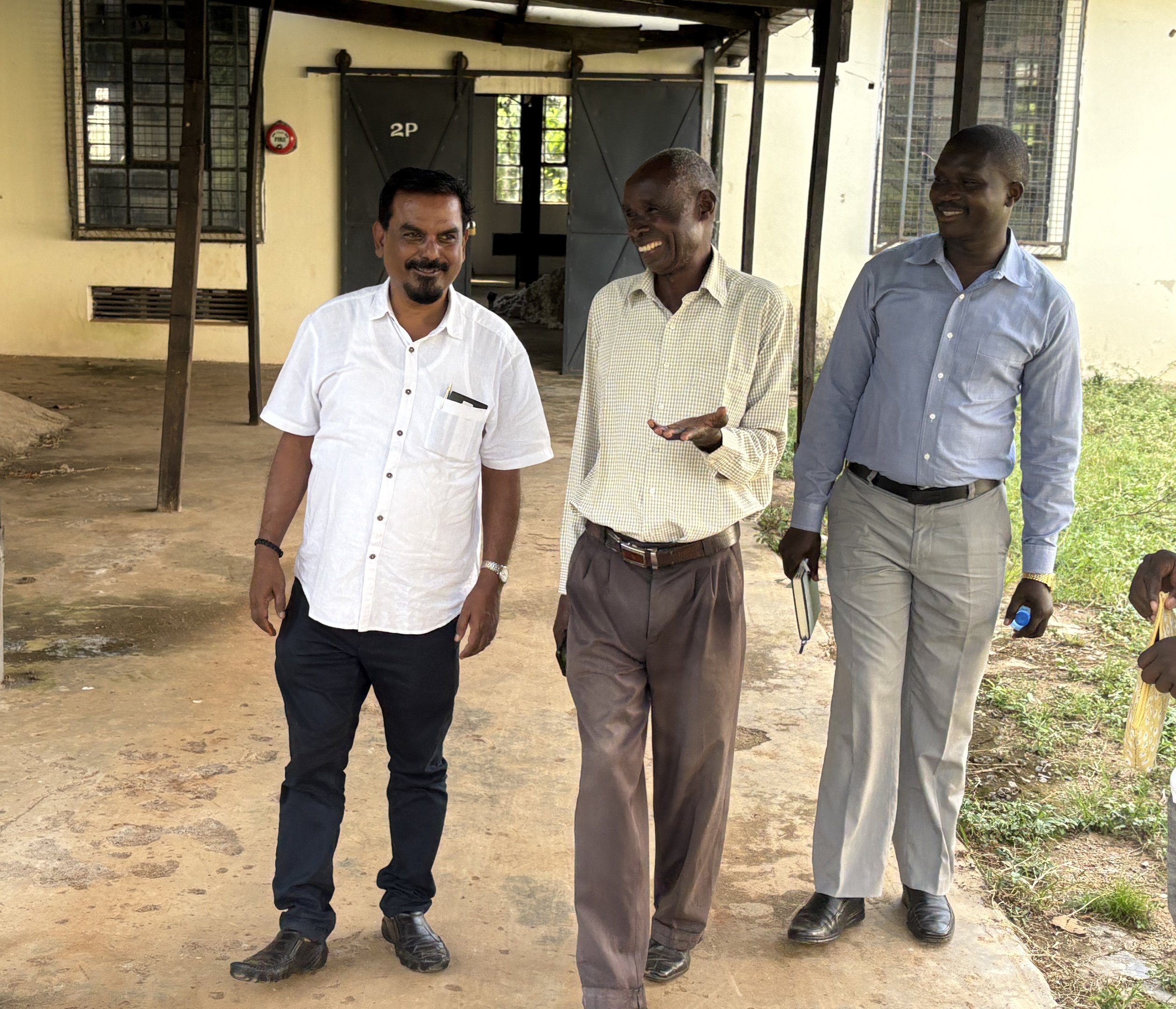
For too long, East African cotton farmers have been price-takers in a system they did not design. Commodity markets, opaque pricing, limited access to inputs, and no direct connection to end buyers have kept incomes low and livelihoods fragile.
eko·kotton is building an alternative. One where farmers understand the value of what they grow, are trained to meet international quality and certification standards, and have direct access to buyers who pay premiums for verified, sustainable cotton.
What Our Programme Covers
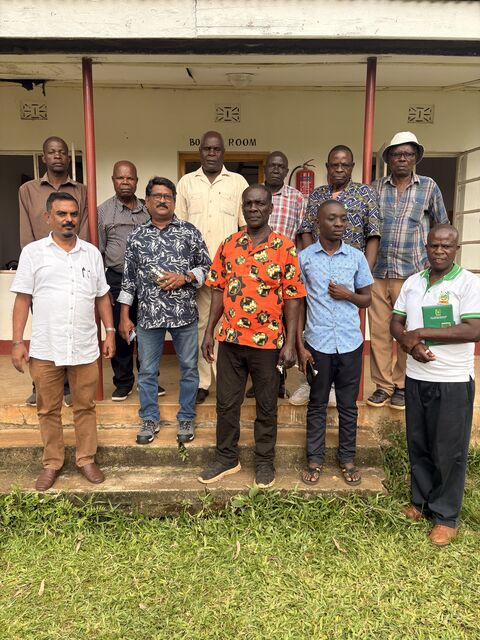
Our farmer programme is structured across four areas of support, delivered through cooperative partnerships and field extension officers
2. Certification Pathway Support
Internal Control System (ICS) setup for GOTS group certification
Cotton Connect programme alignment supporting organic transition and Better Cotton criteria
Organic record-keeping and field-level documentation training
Annual self-assessment and preparation for third-party organic audit
1. Organic Agronomic Training
Certified organic cultivation practices aligned with GOTS fibre-stage and Cotton Connect standards
Soil health and biodiversity restoration building long-term fertility without synthetic inputs
Biological pest management eliminating WHO-prohibited pesticides
Crop rotation and intercropping for food security and soil nitrogen
Seed selection and varietal management for organic systems
3. Market Linkages
Direct connections to domestic ginning partners with organic handling capability
Access to eko·kotton's international organic buyer network
Price transparency farmers see what organic buyers pay and how premiums are calculated
Group selling mechanisms to strengthen collective bargaining for organic fibre
4. Gender and Inclusion
Targeted inclusion of women farmers in all organic training programmes
Women in cooperative leadership and board positions
Financial literacy and income management training
Support for women as primary economic contributors in their households
Who Can Join
eko·kotton works with smallholder farmers and farmer cooperatives in Uganda, Kenya, and Tanzania. To be eligible for programme participation, cooperatives should meet the following basic criteria:
FAQ for Farmers and Cooperatives
Is there a cost to join the programme?
There is no upfront cost to cooperatives for joining the eko·kotton programme. Our training and support services are provided as part of our development mission. In time, certification costs may apply we help cooperatives plan for and access funding to cover these.
How long before we can access certified markets?
We The timeline to certification depends on your starting point and the standard you are pursuing. Most cooperatives can achieve first-stage certification readiness within 12 to 18 months of joining the programme. We walk this journey with you.
Will we get better prices for our cotton?
Our Certified cotton consistently commands price premiums of 20 to 30% over commodity market rates. Our market linkage work ensures that these premiums reach farmers not just intermediaries.
Do we need to stop using all chemicals?
Transition is gradual. We start by eliminating the most harmful inputs first and build towards full organic compliance over time. Our agronomists work with your farmers on practical, affordable alternatives.
Contact:
+254 722 869 838
EKOLOGIE FORTE PVT. LTD., Centro House, Wood Vale Lane, P.O. Box 6950-00100, Nairobi, Kenya.
EKOLOGIE FORTE PVT. LTD., Plot 494, Block KV, Ghana Street, Nyamagana, Mwanza, Tanzania.